
What does it mean to perform and experience music in the wilderness?
What is the project WeNature?
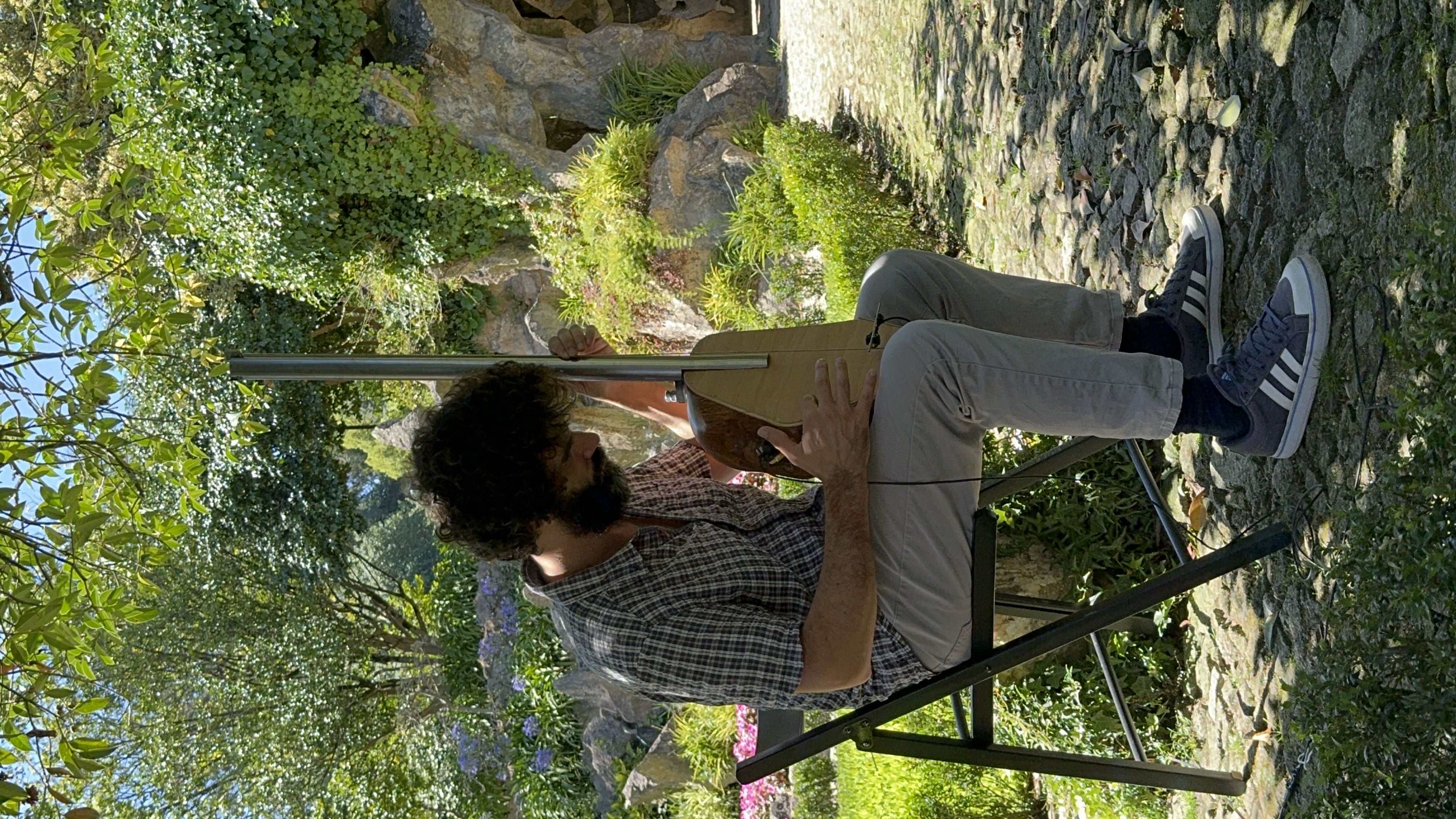
It is an artistic research initiative and philosophical exploration of the relationship between music and nature. Its goal is to create music that harmonizes with the richness of wild environments while developing a unique electroacoustic instrument designed to interact in real time with the characteristics of the surrounding space.
Where are we at?
Gaia reached its first stable version in July 2024. We have also published papers (see outputs) detailing the project and the research. In the coming months, we plan to create and perform music with Gaia, as well as present the instrument and our findings at conferences and key events. Additionally, we intend to lend Gaia to other musicians, allowing them to play it and provide valuable feedback. We hope some of the performances will take place in mountainous landscapes.
Contact us: filipelopes@esmad.ipp.pt
People
Filipe Lopes
Principal Investigator
composer, musician, professor, developer and curious
CIPEM/INET-md
Research Center
Cipem/INET-md is a research structure oriented towards the promotion of scientific research in the areas of music psychology, music education and music in the community.

GAIA
a brief history
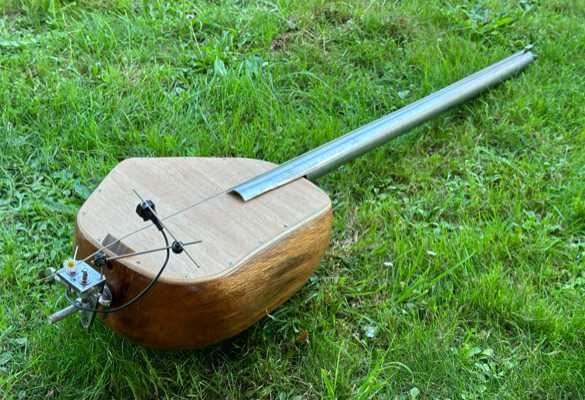
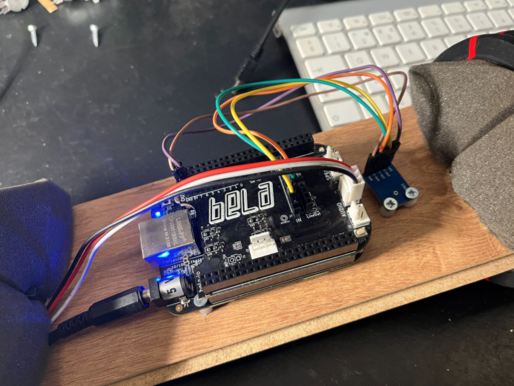
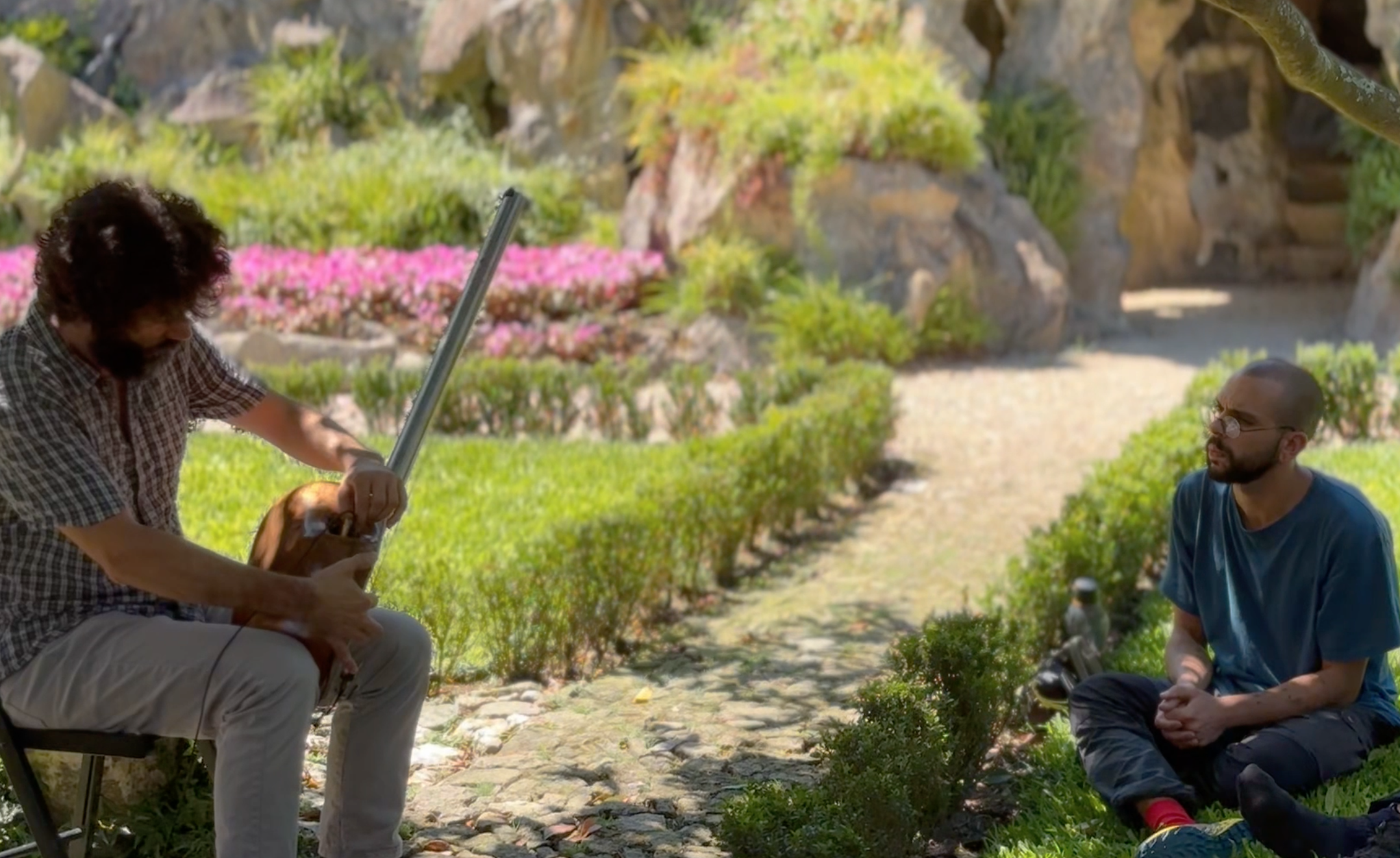
The Gaia was developed and designed specifically to sound at its best in wilderness spaces. To do so, starting in january 2023, we experimented with different instruments and electronic devices in wilderness spaces, delve into experimentations using platforms such as the bELa board and Daisy Seed, study new instruments and interfaces, study music composed to be performed in outdoor spaces and looked at the way luthiers design and approach the construction of indigenous and traditional music instruments. We also encompass readings
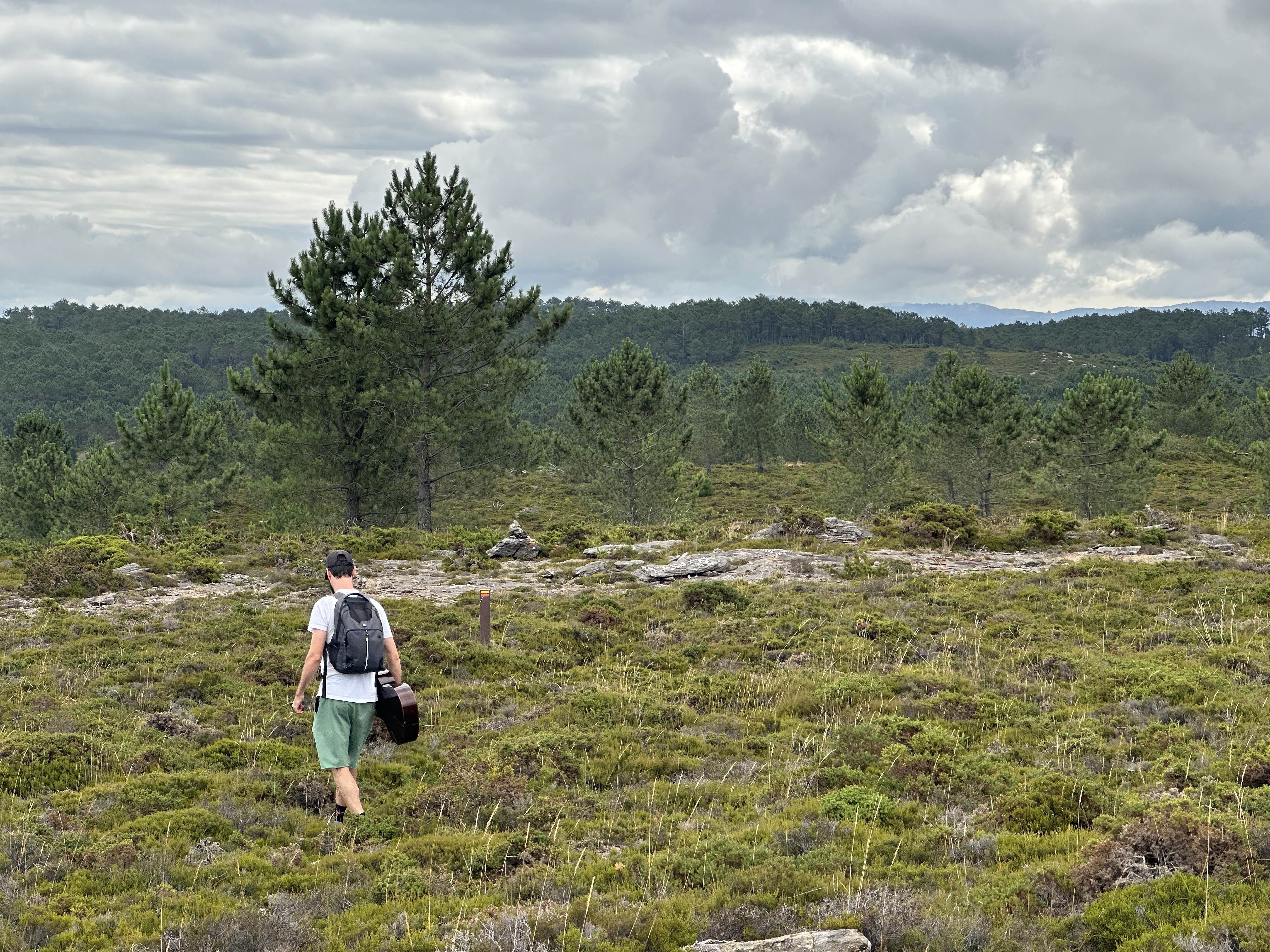
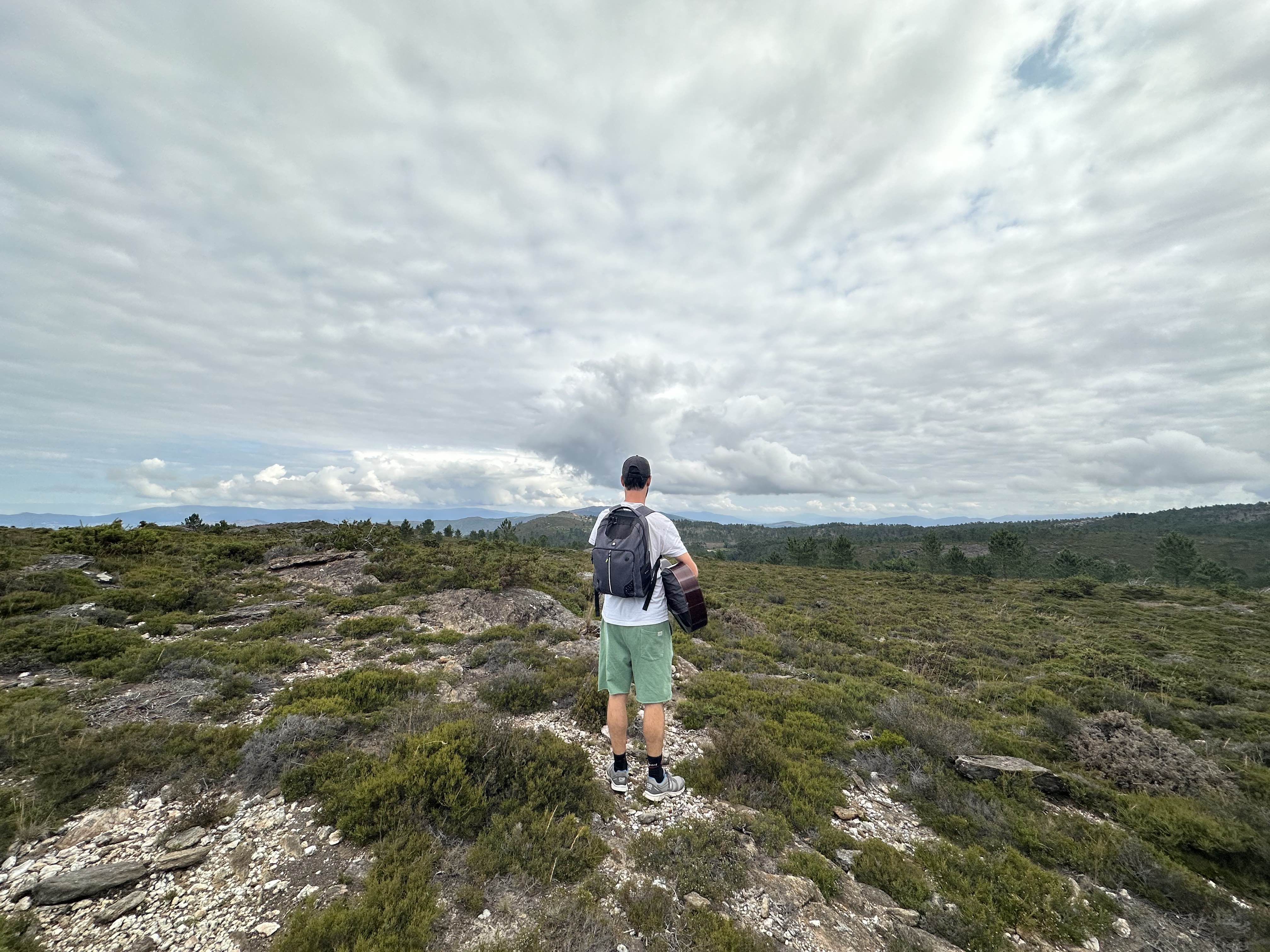
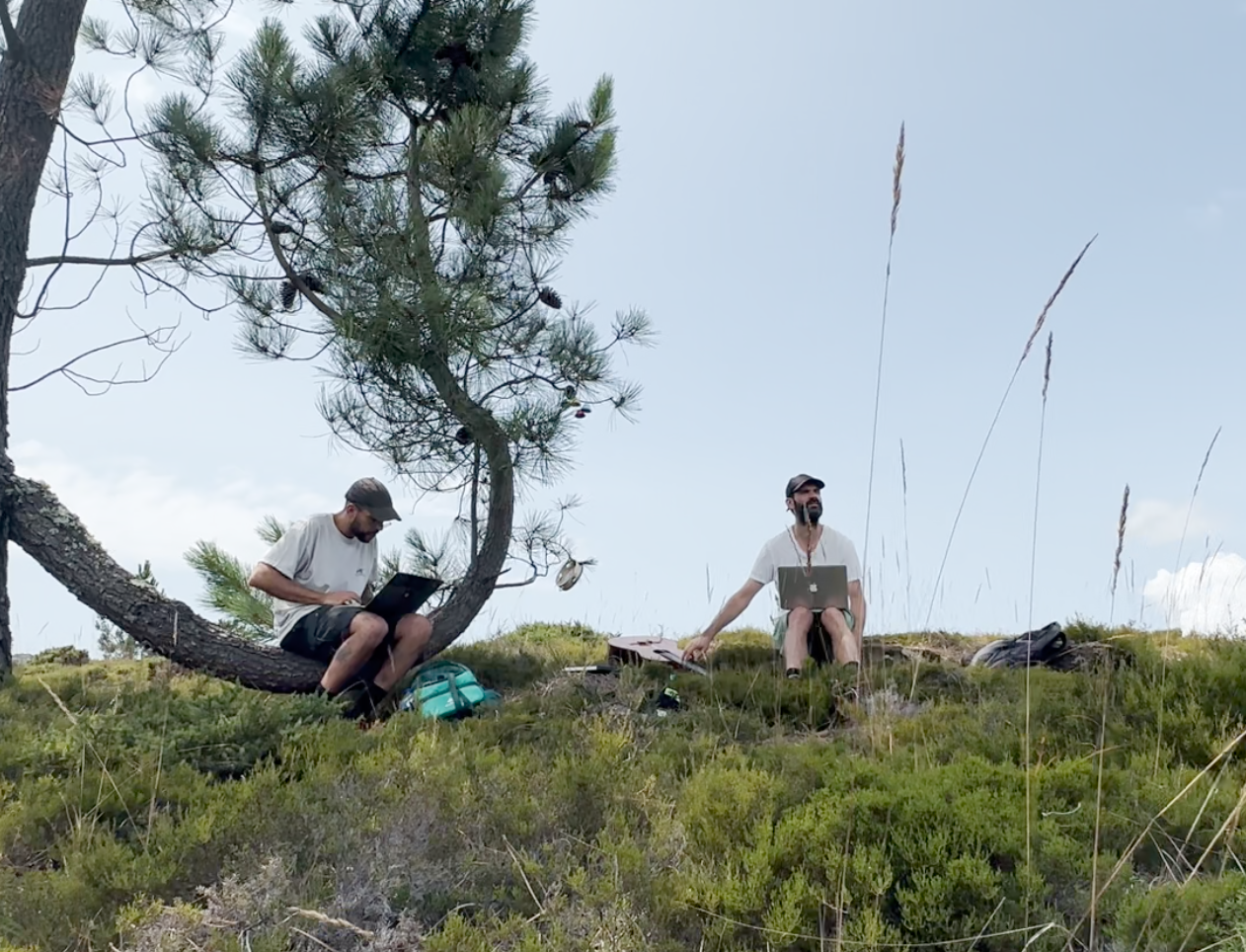
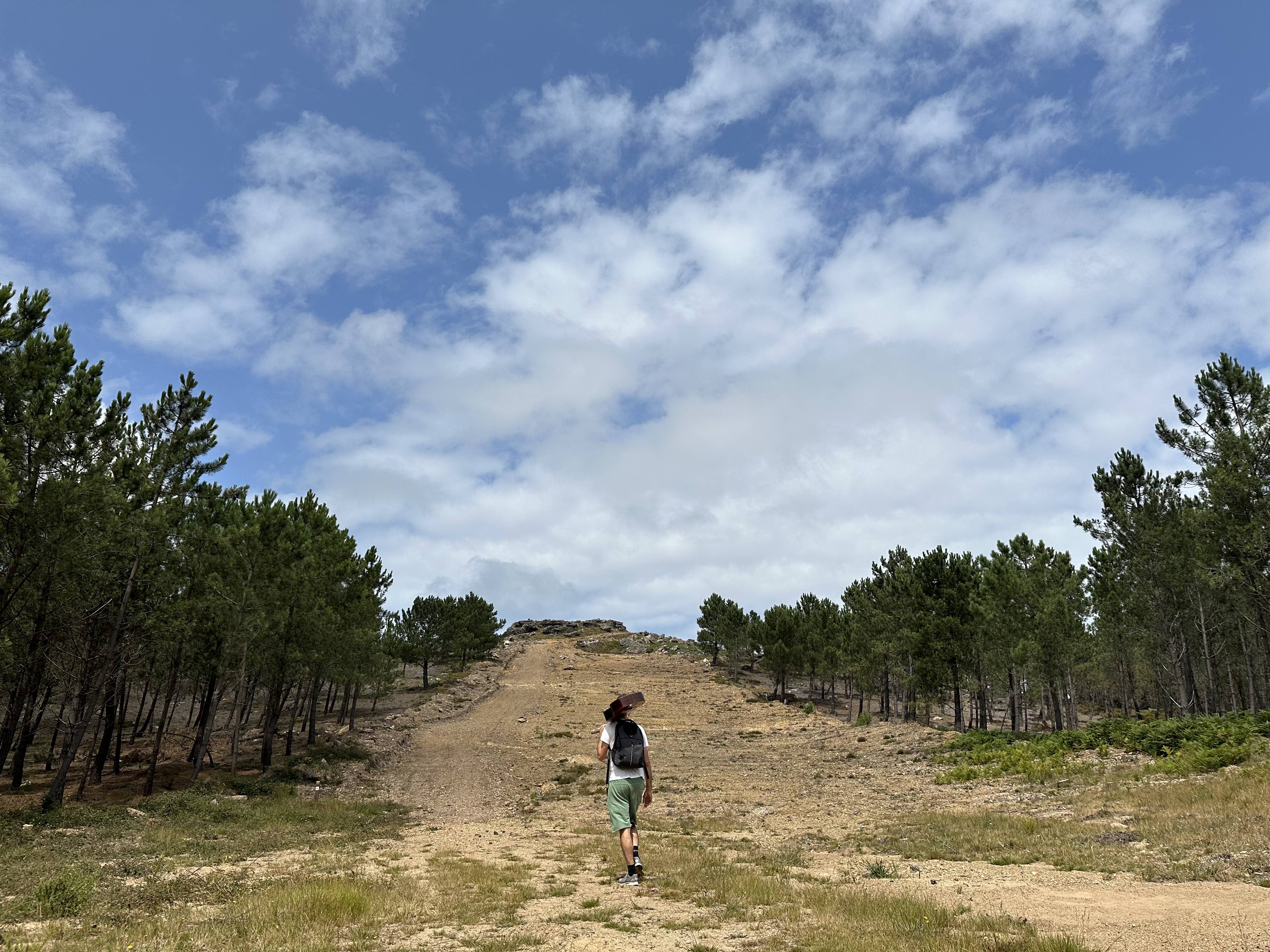
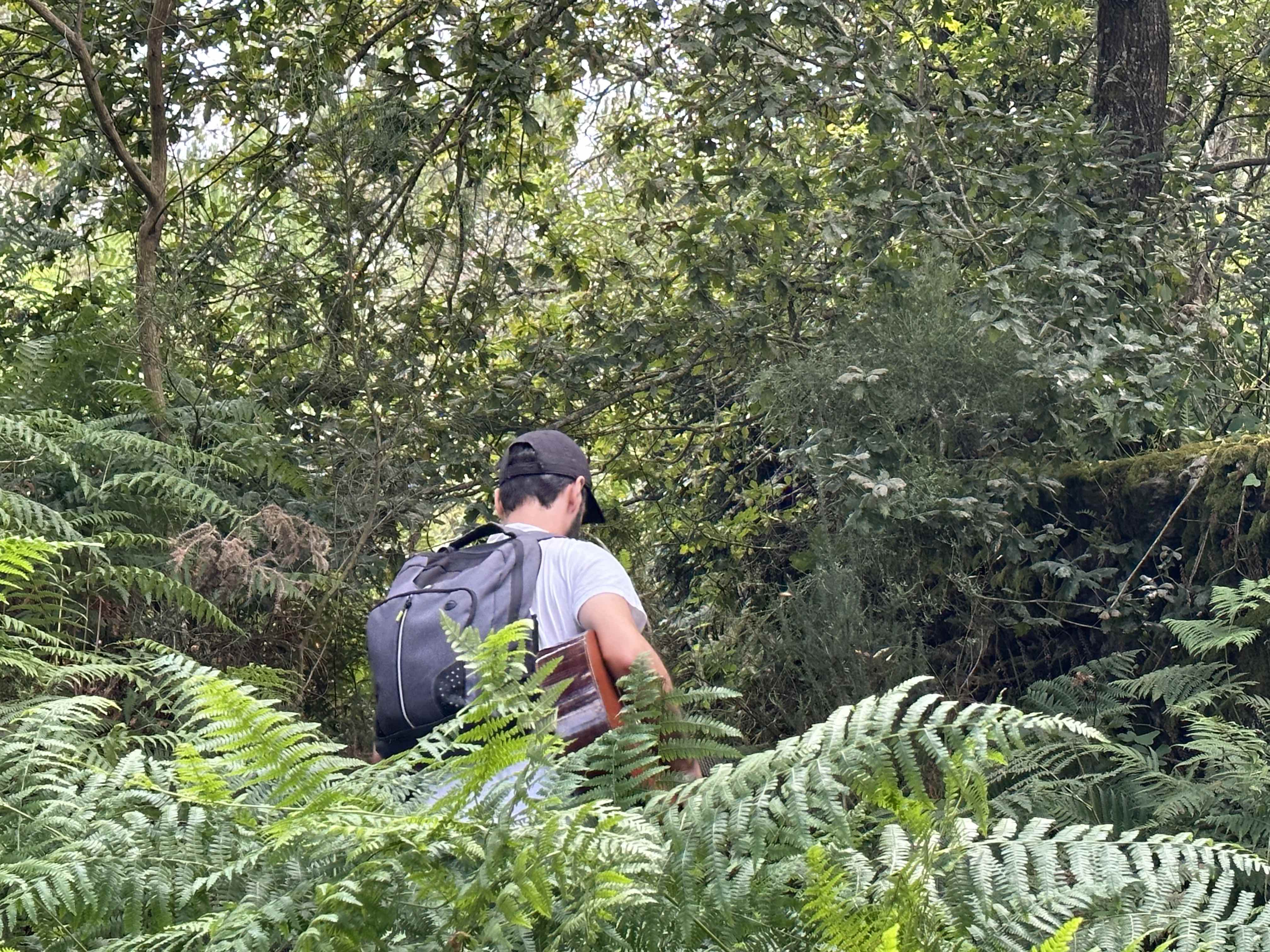
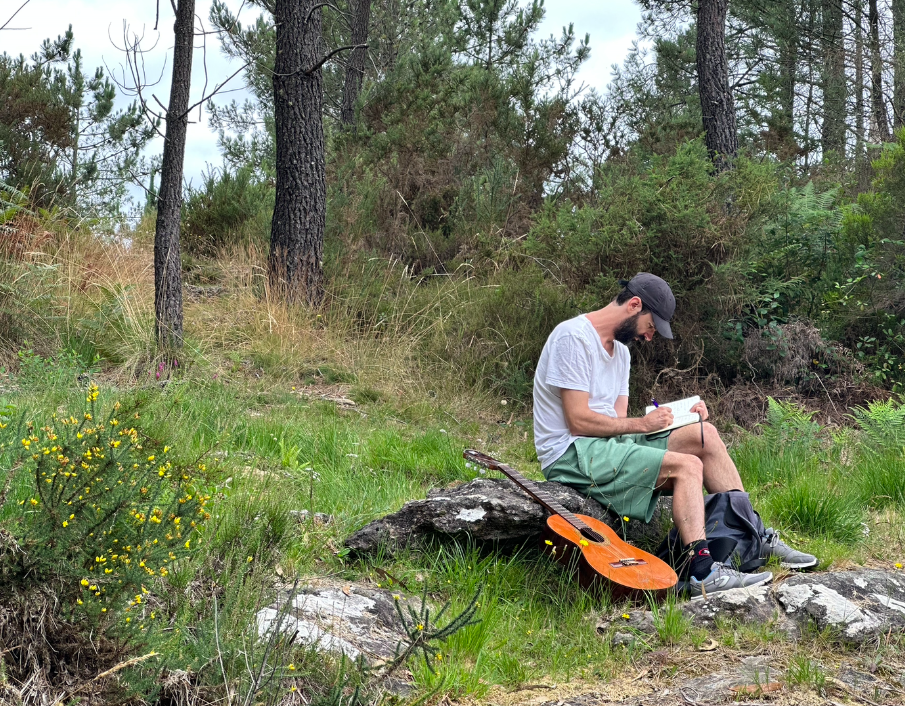
We ventured into the wildest environments possible, such as mountains, forrests or city parks, to draw inspiration, reflect on our work, and perform improvised music using both acoustic musical instruments, laptops and electronic music gear.
Although we knew Gaia would be an electroacoustic instrument, many of its features remained uncertain. Through studying other instruments and analyzing various platforms, we identified seven guiding principles to define Gaia's technological framework.
1. Low Latency
2. Able to Produce Acoustic Sound
3. Self-Contained and Rechargeable
4. Mid-size and Portable
5. Able to Synthesize Sounds and Sample sounds
6. Able to Collect Data From the Surrounding Environment
7. Able to Include Artificial Intelligence In The Signal Chain
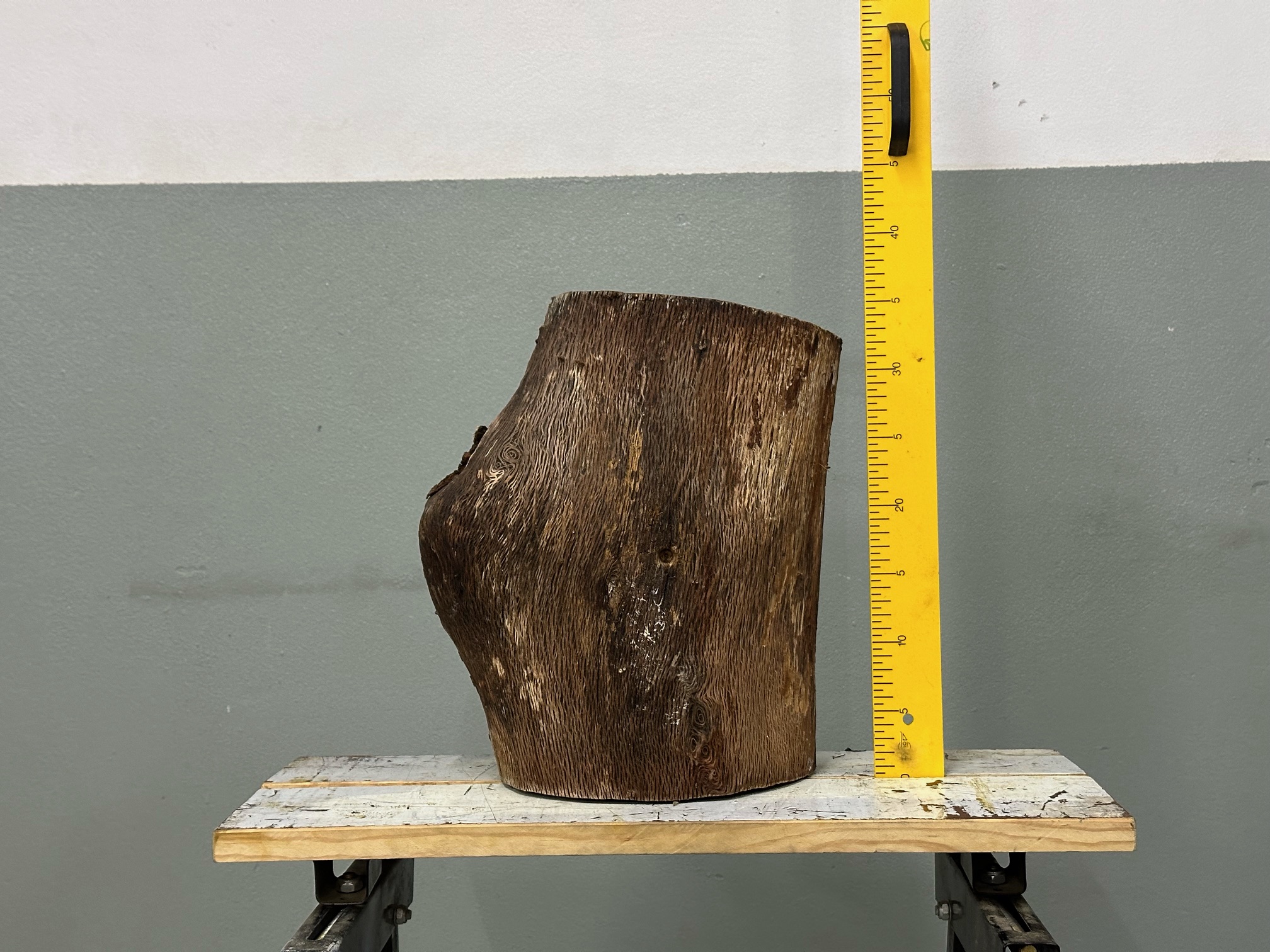
We were fortunate to discover an abandoned log that seemed to speak to us, inspiring its use in our project. Over several months, we carefully shaped it, carving out a cavity to house the electronics while staying true to the principles we had established.
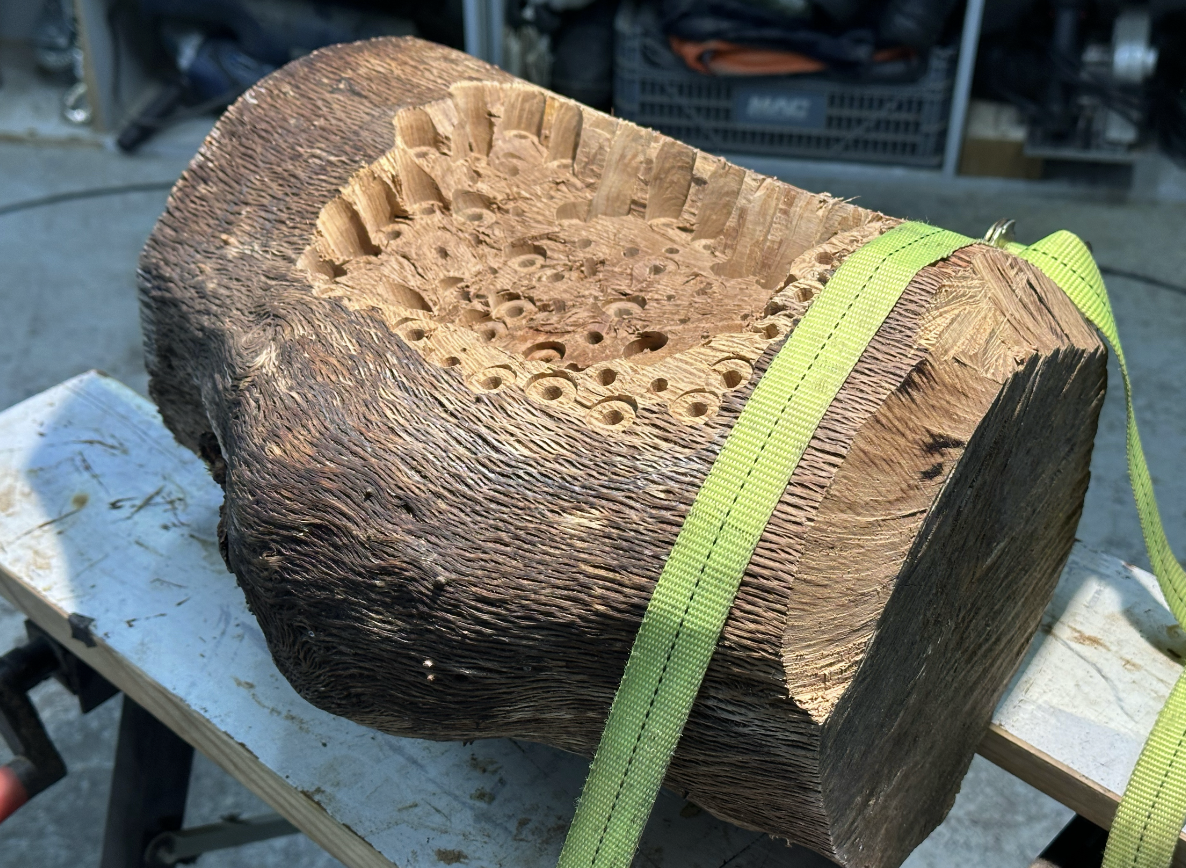
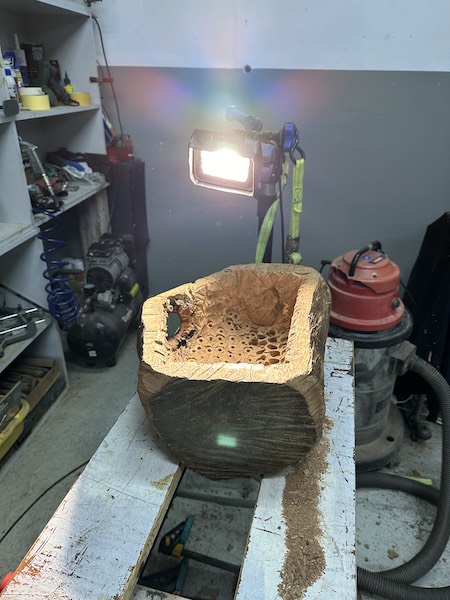
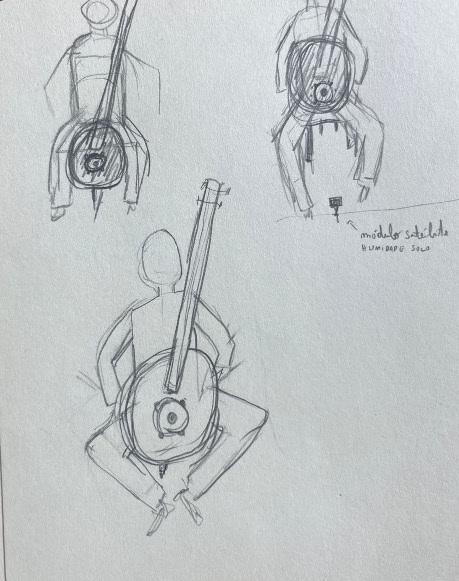
Extensive experimentation was conducted before arriving at a stable, tangible concept. The instrument's body, in particular, posed numerous questions: What form should it take? Where should the materials come from? How do we approach sustainability? And how do we physically engage and interact with it during performance?
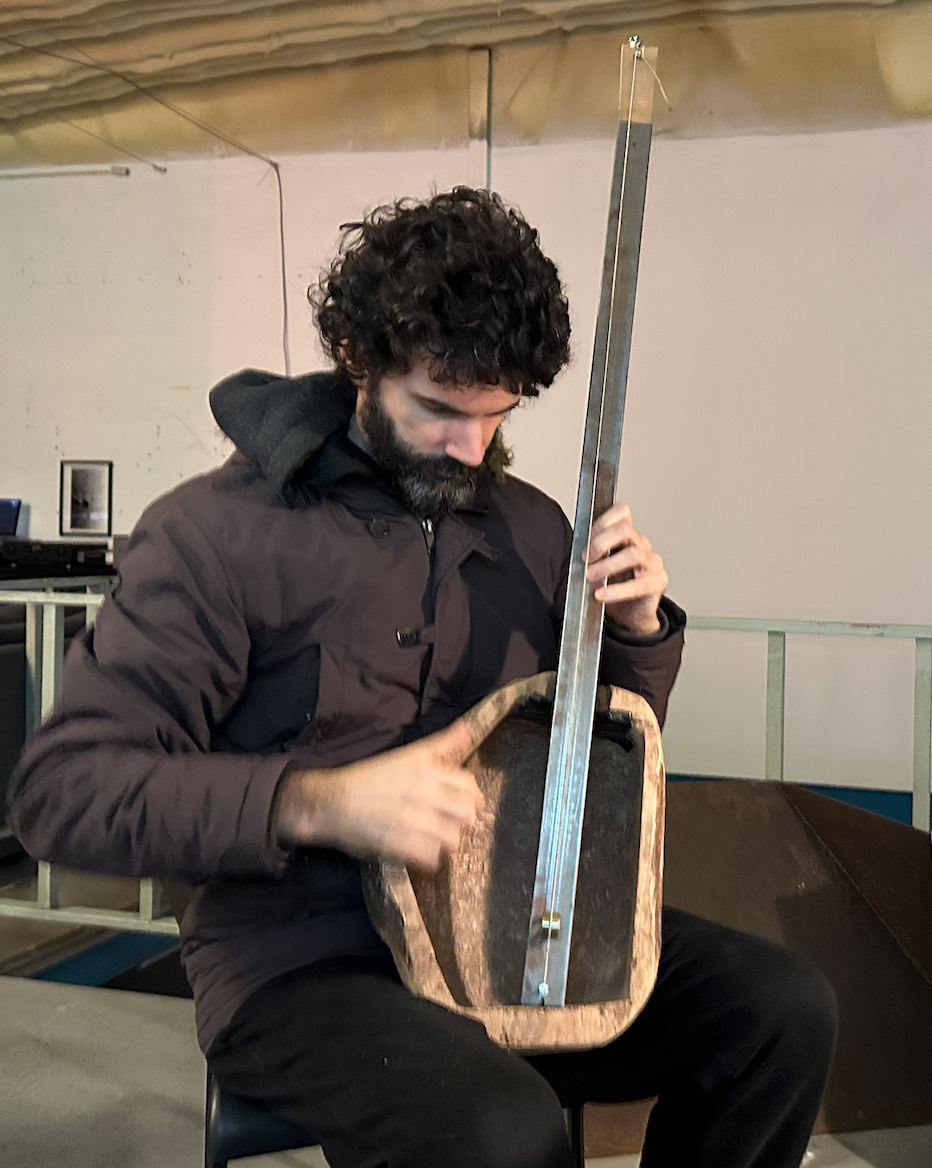
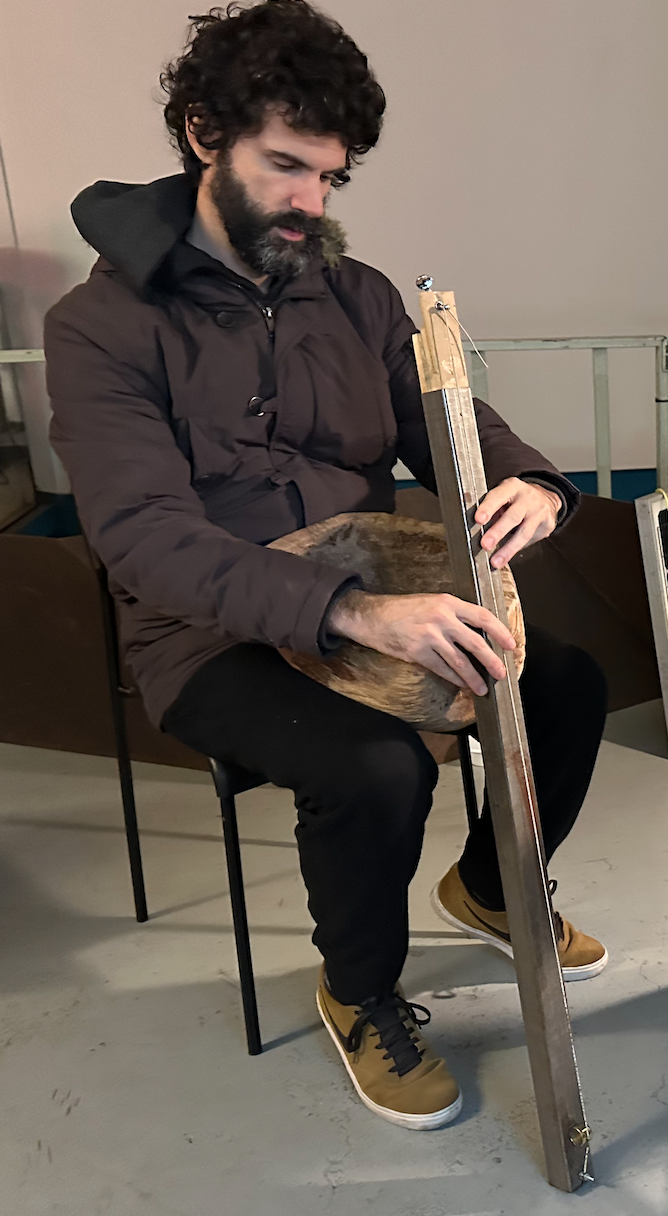
After a year and a half of experimentation, research, analysis, and envisioning, Gaia made its debut, singing for the first time at a symposium held at Casa de São Roque - Centro de Arte Comporânea - in Porto.
WRITTEN
Lopes, F. (2024). Shaking Music Intuitions by Othernessing the Wilderness . In: Gonçalves Lind, A., Pinto, A.P., Lambert, D. (eds) The Process of Becoming Other in the Classical and Contemporary World. Palgrave Studies in Otherness and Communication. Palgrave Macmillan, Cham. https://doi.org/10.1007/978-3-031-62395-0_12;
Lopes, F. & Coutinho, S. (2023). Surfing the landscape of physical computing platforms to develop electroacoustic musical instruments. In: Martins N., Brandão, D., Paiva, F. (eds) Advances in Design and Digital Communication IV: Proceedings of the 7th International Conference on Design and Digital Communication, (pp. 936-949). Springer, Cham. https:// https://doi.org/10.1007/978-3-031-47281-7_75
Lopes, F. & Coutinho, S. (2023). WeNature: o que significa tocar música na natureza? In Book of Abstracts Escola de Outono, pp. (35-37). Porto: Portugal.
ORAL
Lopes, F. (2024). Gaia: um instrumento musical eletroacústico como reflexão sobre música, natureza e tecnologia. Apresentação oral. In 3º Encontro em Música, Tecnologia e Investigação. Organização: Centro de Investigação & Informação de Música Portuguesa. Universidade de Aveiro: Portugal.
Lopes, F. & Coutinho, S. (2024). WeNature: o que significa tocar música na natureza. Apresentação oral e performance. In Seminário WeNature: o que significa tocar música na natureza? Organização: Centro de Investigação em Psicologia da Música e Educação Musical. Porto: Portugal.
Lopes, F. & Coutinho, S. (2023). WeNature: o que significa tocar música na natureza. Apresentação oral. In Seminário Escola de Outono: explorando o ensino da música numa sociedade em mudança. Porto: Portugal
Lopes, F. & Coutinho, S. (2023). Falando Sobre Criação Musical Digital em Contextos Educativos. Co-organização por: Cecília Reis, Rita Miragaia e Eugénia Viana no âmbito do estágio do Mestrado em Ensino de Música da UA. Atividade inserida no LA:bEAMUS
Lopes, F. (2023). Music Lessons Plants Teach Me. Performative Presentation. In International Symposium for Artistic Research. Crosswinds: collaborative creativity as transformative practice. Aveiro: Portugal.
CANT(A)EIRO (2017-2021)
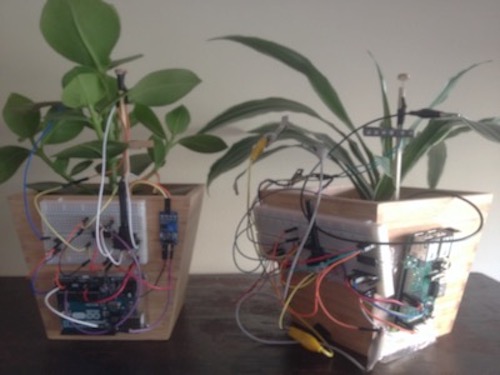
Cantaeiro featured the development of musical interfaces featuring plants to be played in schools.
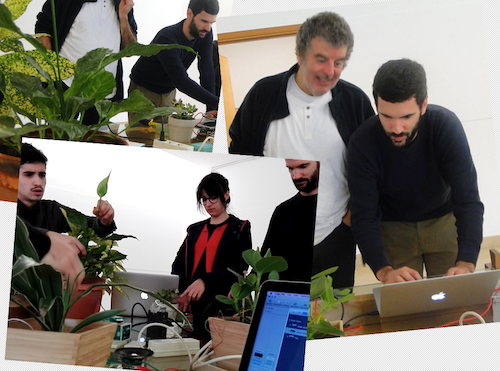
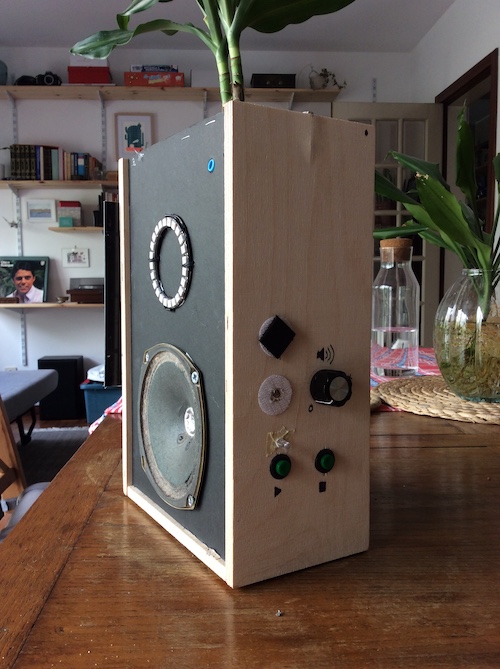
Cantaeiro featured the development of musical interfaces featuring plants to be played in schools.
PLANTORUMORI (2019-2022)
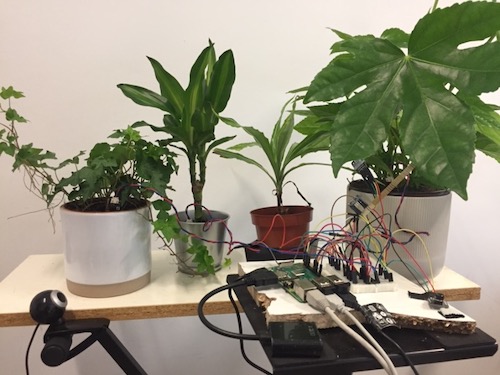
Plantorumori featured the creation of sonic worlds emerging from symbiotic relationship between humans, plants and digital interfaces.
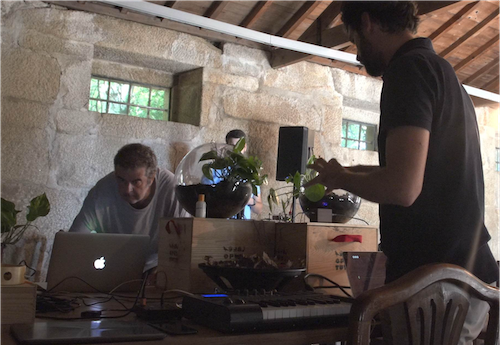
we wanted to explore the opening of “communication channels” with plants using a wide range of technologies and interfaces to nurture a subjective relationship with nature and to integrate that “contribution” in musical performances
CRESCENTE (2021-2022)
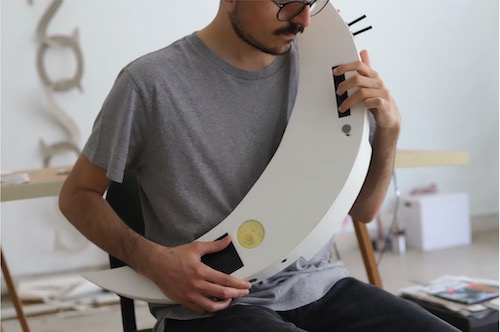
Crescente is a new electroacoustic instrument developed by Henrik Ferrara for his master. He was mentored by Filipe.
VOXI GRAIN (2022-2023)
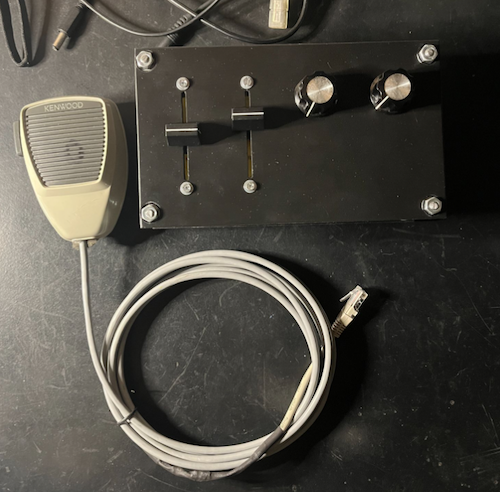
Voxi Grain is a new musical interface developed by Sérgio Coutinho for his master. He was mentored by Filipe.